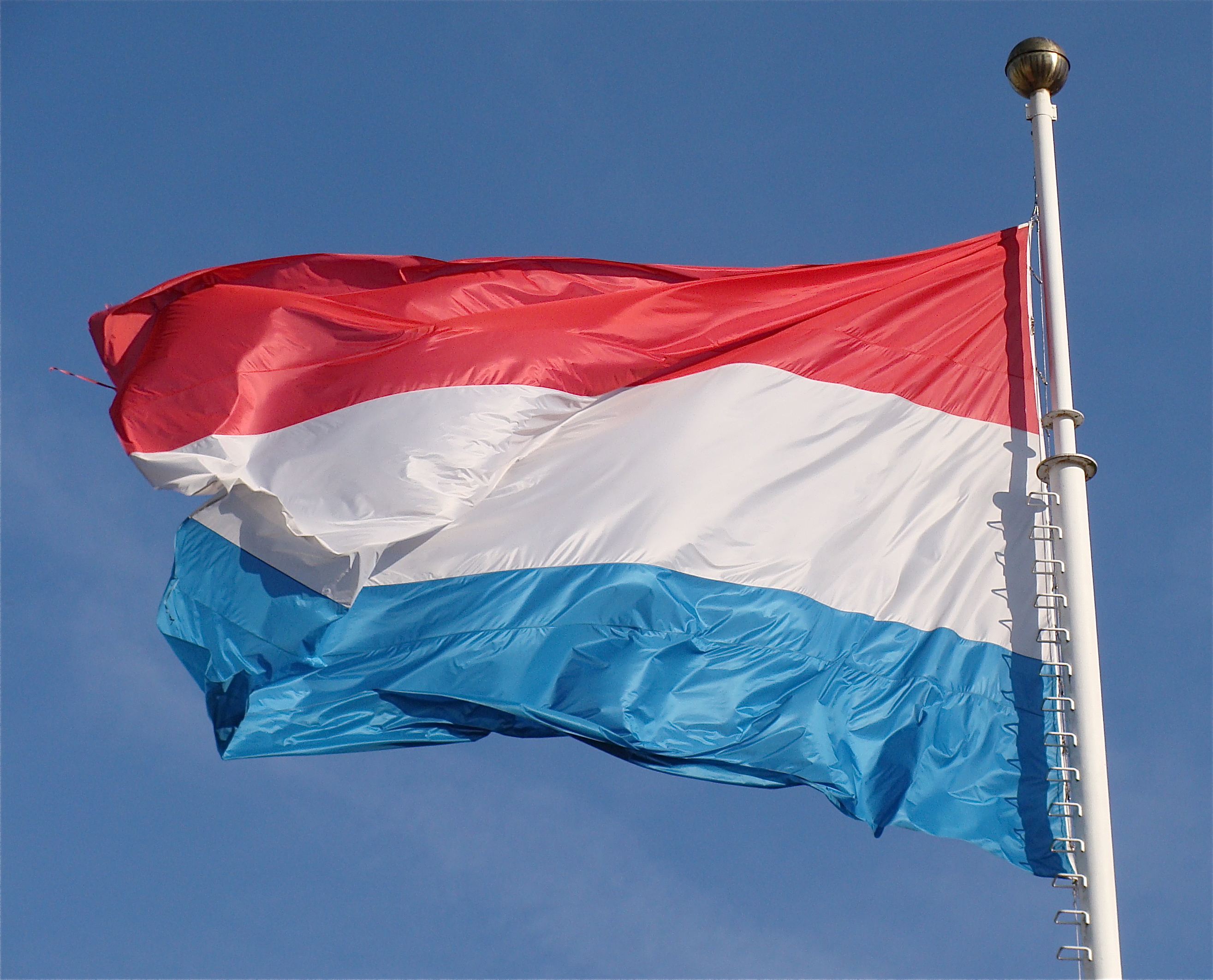
Have you ever taken a close look at the map and thought, “Wow! Look at that tiny little country! How cute! I’ve never even heard of that!” With the rise of the great European Powers such as Austria, Britains, France, Russia, Spain, and eventually Germany and Italy, one might wonder how these little bitty countries managed to stick around this long. What is their history?
I very distinctly remember my first time in the beautiful country of Luxembourg. We decided to go there on a whim. There were two highway options between Belgium and Germany, one running north of Luxembourg, and one going straight through the less than 1000 square mile country. Why not stop for lunch and scratch a new country off the list we thought. I can’t even express how glad I am we did. Luxembourg City is a beautiful small European capital with beautiful parks, gardens, palaces, castles, and churches.

When I got home, I of course wanted to research the historical significance of such a small country. Turns out, its impact on history is massive, ranging from the creation of Germany to one of the biggest battles of World War II.
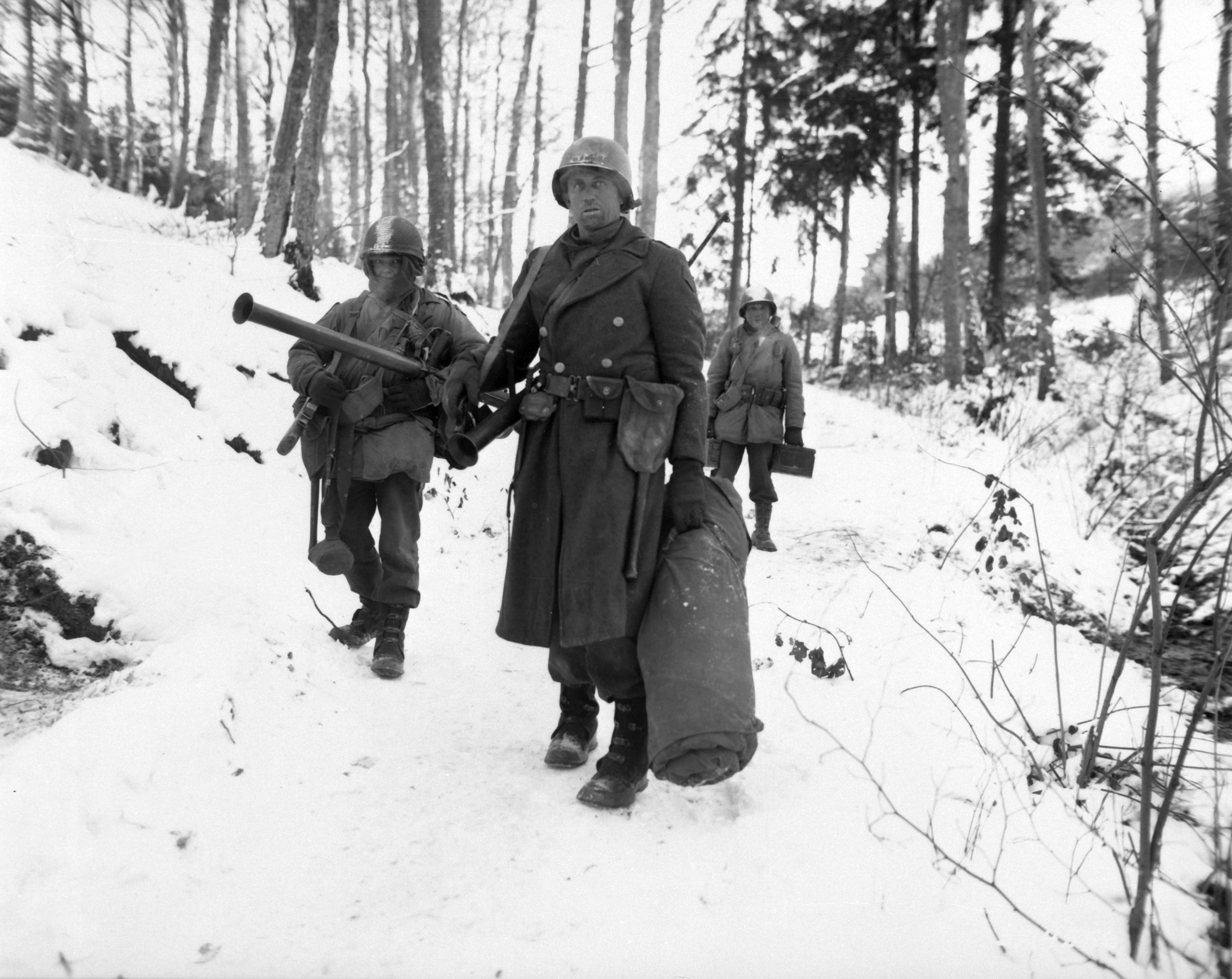
Photo from U.S. Army
In the 1860s, France showed interest in buying the small duchy. While it seemed at first that the other European powers were going to allow this, the German State of Prussia used this as an excuse to start a fight with France. While the Treaty of London stopped the “Luxembourg Crisis” and assured that a war would not be fought over the territory, the damage was done and Franco-Prussian relations weakened further. After a few more relational debacles, France declared war. Prussia united all of the other 37 German states and defeated the French, leading to the German people uniting under one banner as one empire for the first time as an independent country.
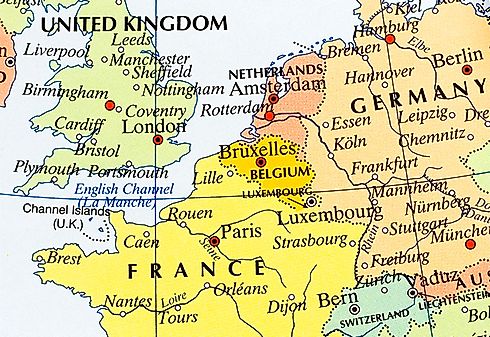
Luxembourg was also the site of the infamous Battle of the Bulge (along with Belgium) during the Second World War. This battle was one last major counter offensive by the Germans, as they attempted to stop the ally push towards Berlin. Some of the most famous names of the war fought in this battle, including General George Patton who would demand that he be buried in Luxembourg after the war was over. (More on the Battle https://www.army.mil/botb/)

The first mention of Luxembourg as a territory was made by Julius Caesar himself in his writings on the Gallic Wars. While our historical understanding of Luxembourg may start with Rome, its language does not. Luxembourgish, a unique language to the small country, is Germanic in origin. However, the language has been influenced by French overtime, and nowadays French is spoken more in the country than any other language, in addition to German. Luxembourgish is still known widely across the country though, being a common language in the households of the over 600,000 people and remains the official language of the country. (http://learnluxembourgish.com/blog/2014/1/13/luxembourgish-dialect-or-language)
As a final bonus fact, Luxembourg is one of the smallest countries in the world with an operating space program. There may be no space left on earth for Luxembourg to expand its tiny borders, but maybe Mars could lead to the rise of a Galactic Luxembourgish Empire! (Here’s their official site https://space-agency.public.lu/en.html)
What did you think? Ready to pack your bags to go visit the multiple historic sites that Luxembourg has to offer? Should I continue to write on the history of small countries? Let me know! 🙂 Have a good day! Or as they say in Luxembourg, Scheinen Daag!