Have you ever wondered why we still struggle with issues that have plagued society for generations? How about the implications of the impeachment trial? Ongoing centuries, if not millennia long conflicts? Or maybe you just want to learn more about how the world we live in got to this point. If so, then welcome to History Today! A blog focused on bringing concise, relevant, entertaining, and informative history articles to you!
The history of the world affects us all the time in our day to day lives. However, the importance of learning this history is often overshadowed by the stereotypes that history is too boring, lengthy, and mundane to learn. Here at history today, you are able to learn about the defining moments in our world, see how they are affecting us today, and use them to look towards the future, all while consuming enjoyable content that will expand your knowledge by being an enjoyable leisure read.
On this blog, I plan to cover a variety of topics, ranging everywhere from heavy-hitting and controversial topics, to subjects that are particularly relevant to what is going on today, to cool, fascinating, or even outright strange discussions, or whatever is piquing my interest the day that I write.
So make sure to check in every week to read the newest post! I am looking forward to engaging with you in the important conversations that these articles with produce. Please feel free to comment on and share with other history nerds, news junkies, or anyone who just wants to learn a thing or two about the world!
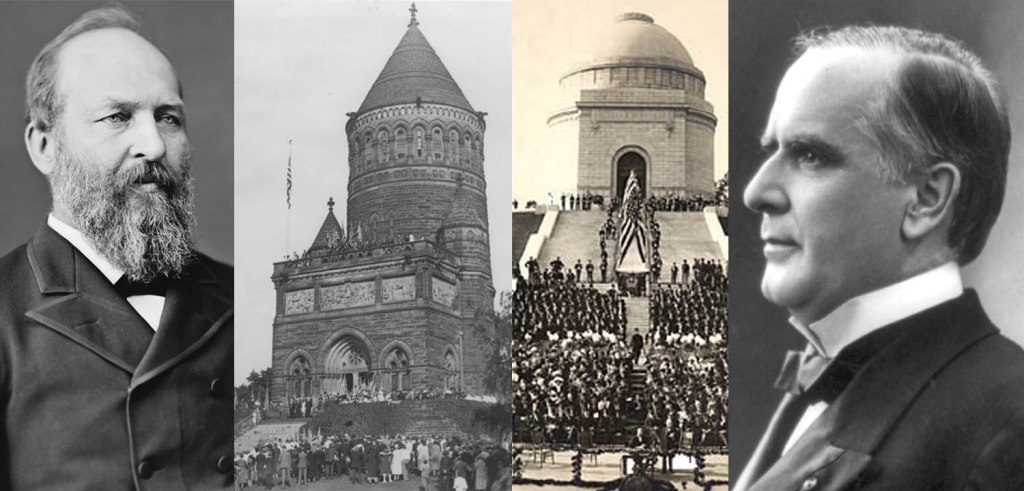
When people hear of the history of presidential assassinations, their minds usually go to the famous assassinations of Presidents Abraham Lincoln or President John F Kennedy. Most people would be shocked to know that there have been over 30 assassination attempts on various presidents, with a total of four being killed while in office. In addition to the two aforementioned heads of state, Presidents Garfield and McKinley were also murdered while holding the title of President of the United States.
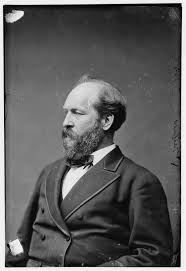
Photo of President Garfield from wikimedia commons
President James Garfield became president on March 4th, 1881 and was shot later that year by Charles Guiteau. Guiteau was a repeated failure in every enterprise he partook in. By the time of the 1880 election, he took a particular fascination with politics. Originally supporting Ulysses S. Grant, Guiteau switched his loyalties to James Garfield after he won the Republican nomination.
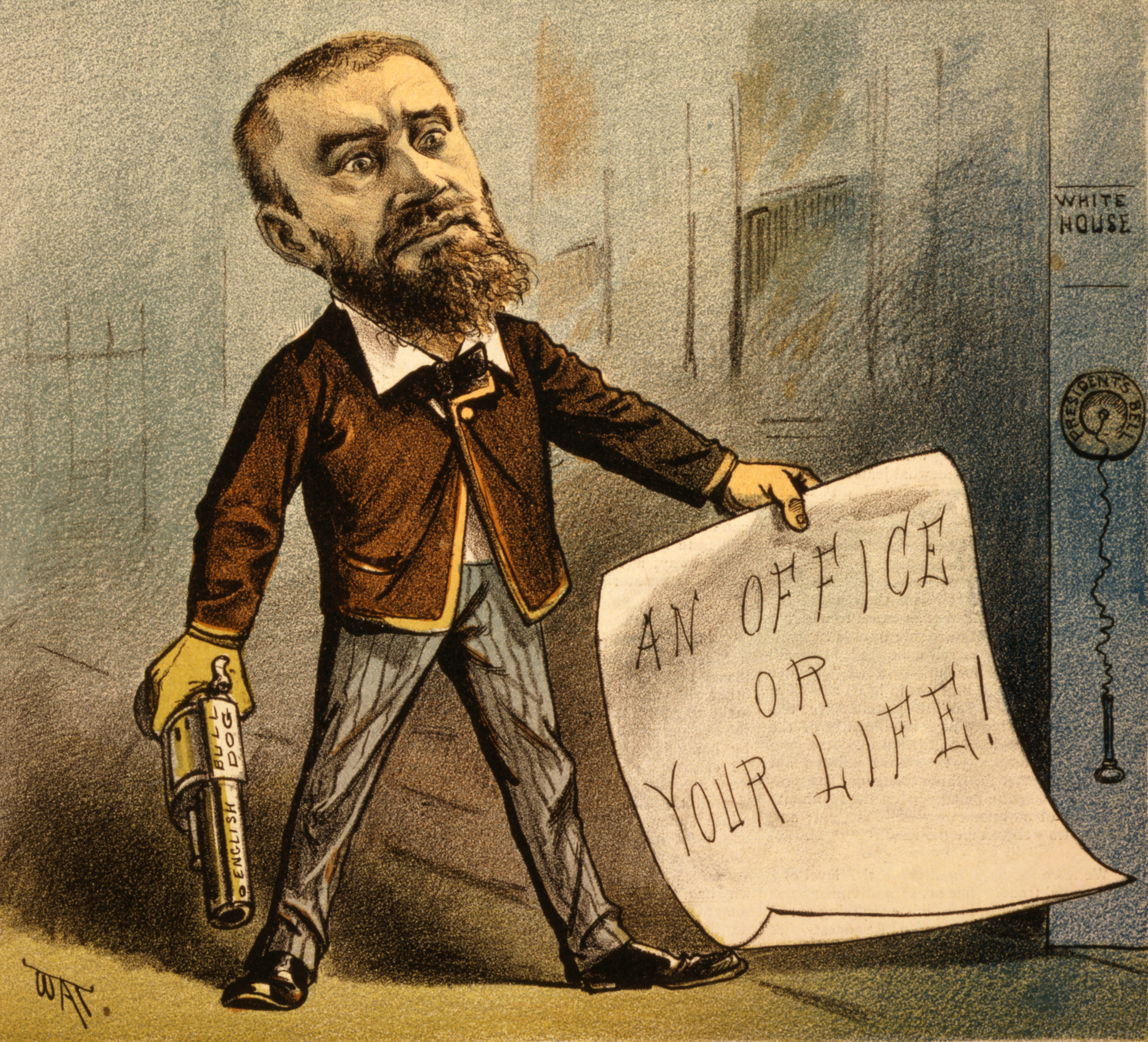
Guiteau wrote a poorly worded speech in support of Garfield, that he never delivered but did end up publishing (without paying the printer) and distributing it. The speech had little to no impact on Garfield’s victory, however Guiteau did not see it that way and awaited his reward for his help from the newly elected president. He told the Secretary of State that he would like a position in Vienna, but he could settle for a position in Paris.
After being shut down he claimed to receive a message from God, instructing him to kill the president. After buying a pistol with an ivory handle (because he believed it would look better in a museum than a regular pistol), he shot the President on July 2, 1881. Garfield later died from complications from the bullet wound.
Photo of the assassination weapon from wikimedia commons
Guiteau would later testify in court, albeit only in epic poem or song format. He claimed that he should be charged with attempted murder, but not the actual homicide, putting that blame on the doctors. Even in court he proclaimed that his act was the spoken will of God. The jurors did not seem to agree, and sentenced him to death, much to the surprise of Guiteau who was running ads in his autobiography for a future spouse as well as planning a speaking tour once he was released. It is no wonder that his defense team considered an insanity plea, which would have been among the first in such a high profile case.
He was hung right after dancing up the stairs to the gallows, shaking the hand of the executioner, and reciting a self written poem titled I Am Going to the Lordy. Vice President Chester Arthur became president in the wake of this disaster.
photo from wikimedia commons
Unlike James Garfield, President William McKinley had been in office many years before the fatal attack against him. He was elected in 1897 and was going into his second term in 1901. Mckinley was known to enjoy interactions with the public. While he had security guards (unlike most presidents in the 1800s including Garfield) he was rather laid back in the self protection department and was known to throw large gatherings in which he could interact with the people.
Photo of President McKinley from wikimedia commons
Unfortunately, this came to be his downfall. Around this time, anarchist movements were growing more popular worldwide. Many people, often who felt they were harmed or cheated in some way by the government, started to turn to these radical movements. One of these people was Leon Czolgosz.
Czolgosz, like many others, was negatively affected by the Panic of 1983. The son of immigrants, he lost his job when the economy turned south, and he began to look for reasons why his life had been turned upside down. He became an anarchist shortly after, and began to plan his nefarious scheme.
Photo of Leon Czolgosz from wikimedia commons
President McKinley was taking part in a public reception in his honor, and was shaking the hands of the thousands who sought to meet him. He went to shake the hand of Czolgosz, assuming the handkerchief in his hand was simply to wipe his brow on the hot, early September day. The president could never have expected that innocent looking handkerchief to be concealing the weapon of his demise. As they touched hands, at 4:07 pm on September 6, 1901, Czolgosz shot President McKinley twice in the stomach, wounds that would later prove to be fatal when the President died on September 14th. He was succeeded by then Vice President Theodore Roosevelt.
Czolgosz was heard at the scene saying “I done my duty.” After his trial, the jury took hardly half and hour to proclaim him guilty. He was sentenced to death by electric chair.
If you want more cool posts on both well known and lesser known presidents, check out the rest of our articles here!
Thank you all so much for reading my blog! As life gets crazier heading into finals week, I am not sure when my next post will be written. I am so happy with the response and feedback I have received and hope to continue this blog down the road!
As I was scrolling through my Insta stories the other day, I saw a long rant about how President Donald J. Trump was “The WORST President in the history of The United States.” Now, I’m sure that even if you’re Donald Trump’s biggest fan, we could find something he has done that you wouldn’t be a fan of (he has quite the track record), but the “WORST” president in history? The worst out of 44 leaders over the course of nearly 250 years? I don’t know about that.
Today I will be showing you three whom I believe to be the worst Presidents in history and I’ll let you decide if you still think our current POTUS trumps them all.
Lets start with James Buchanan. He was the 15th President of The United States, making him the president directly before Abraham Lincoln as well as the president right before the Civil War. While many argue that the Civil War was inevitable, Buchanan certainly did his part to make an already bad situation worse.
photo from wikimedia commons
For starters, the Dred Scott Case, which proclaimed that escaped slaves who made it to free states and were then captured must be returned to their masters, happened during his presidency. President Buchanan ended up backing up this decision. On top of this, despite being from the northern state of Pennsylvania, Buchanan decided to join southern Democrats in attempting to expand slavery into new states such as Kansas. These decisions caused further tensions between the south and the north. President Buchanan may have had a chance to calm the tensions that sparked the civil war, but instead, by the time he left office, seven states had already seceded. (Click here if you want an even stronger opinion on President Buchanan)
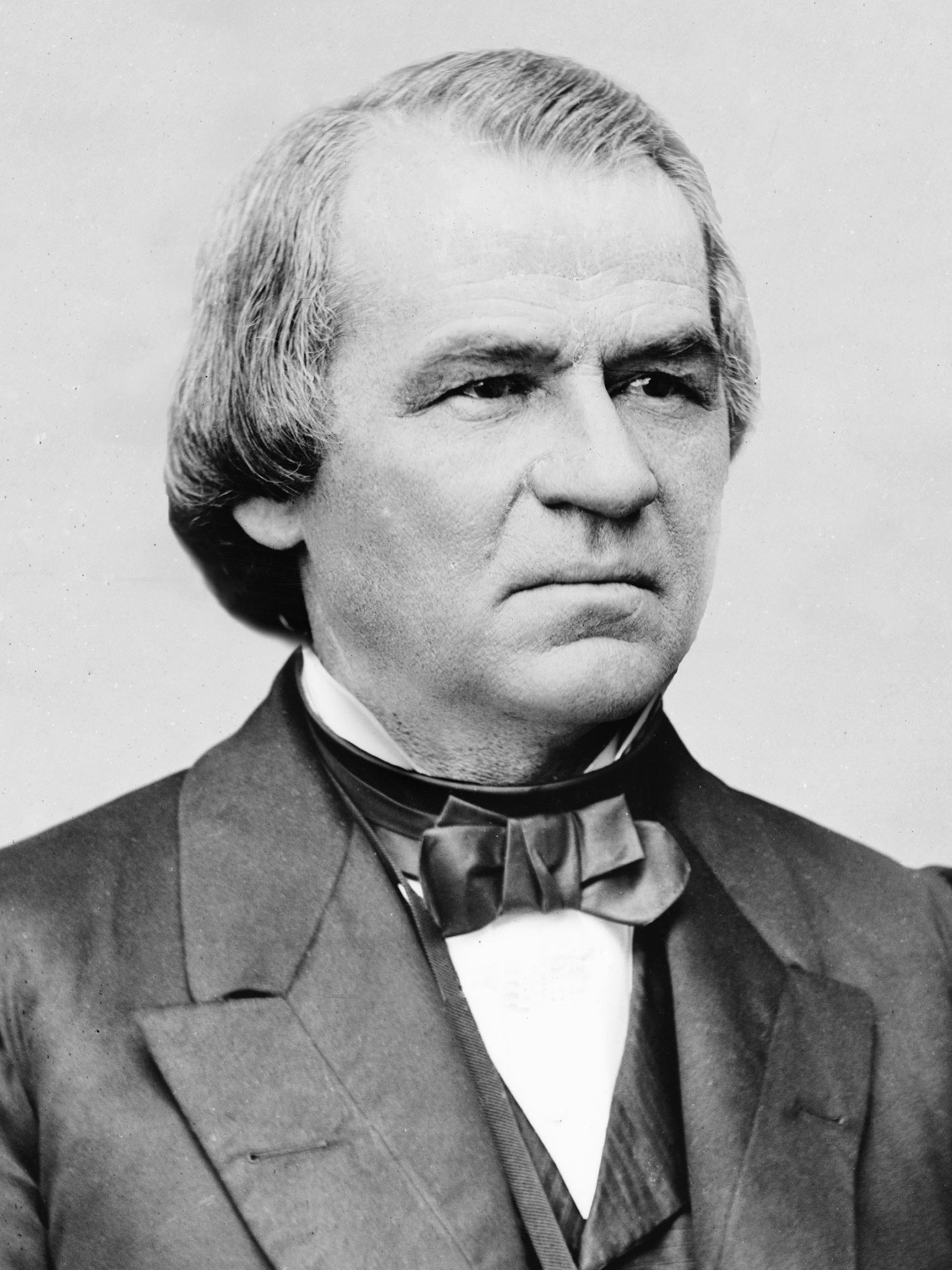
Since we’re on the topic of Civil War, lets talk about Andrew Johnson. President Johnson was the 17th U.S. President, taking the title after Abraham Lincoln was assassinated. Lincoln was killed shortly after the end of the Civil War, leaving Andrew Johnson to deal with the aftermath. And he did a pretty terrible job.
Photo from wikimedia commons
During the reconstruction, southern states began making laws known as the Black Codes. Johnson, being a southern democrat from Tennessee despite being Lincoln’s running mate, did nothing to stop discriminatory laws like this from being passed. In fact, he did quite the opposite. He repeatedly vetoed reconstruction legislation that was against the racist southern agenda, and was even an outspoken opposer of the 14th amendment, which ensured that former slaves would become citizens of the United States. The boggling of the reconstruction period has been marked as a leading cause to the race relations problems in the United States, much of which can be attributed to Johnson.
This on top of abuse of power allegations, that ended up getting him impeached, makes Andrew Johnson a pretty bad president (Here’s out article on all impeached Presidents!). But at least he’s not the worst from the state of Tennessee, right? Right…?
Andrew Jackson was an accomplished military man and politician by the time he left his beautiful plantation home in Nashville, Tennessee to become the seventh President of the United States. While many commend a large amount of Jackson’s decisions as president, his lasting legacy as POTUS is wrapped up in the Indian Removal Act of 1830.
This act, which Jackson pushed for and championed, called for the forceful removal of tens of thousands of Native Americans to lands out west. This event is often known as the trail of tears and resulted in the death of thousands of natives adding to the long lasting Genocide of Indigenous People in the Americas. Not all tribes were willing to be exiled without a fight, leading to the Florida War (Also known as the Seminole War) that lasted over 6 years and lead to the death of further thousands. These events were part of The Genocide of Indigenous people. The genocide of these natives in the Americas is one of the largest, yet least recognized genocides to ever be committed, with up to 11 times as many people killed than in the Holocaust. If you want to look into it more, there’s some great sources here and here.
So what’d you think? Still sure we’re living under the worst POTUS this country has ever seen? Maybe I’m not trying hard enough. I haven’t even discussed a few that some historians would claim are the worst of them all! Let me know if you need more convincing or would just like a follow up article. Thanks! 🙂
Have you ever taken a close look at the map and thought, “Wow! Look at that tiny little country! How cute! I’ve never even heard of that!” With the rise of the great European Powers such as Austria, Britains, France, Russia, Spain, and eventually Germany and Italy, one might wonder how these little bitty countries managed to stick around this long. What is their history?
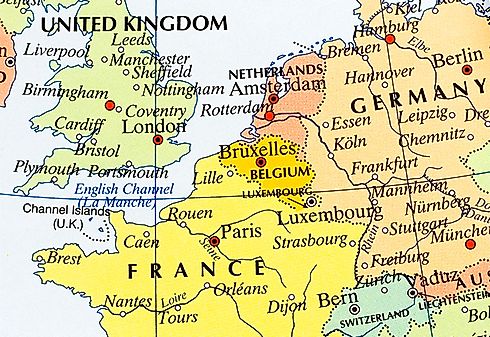
I very distinctly remember my first time in the beautiful country of Luxembourg. We decided to go there on a whim. There were two highway options between Belgium and Germany, one running north of Luxembourg, and one going straight through the less than 1000 square mile country. Why not stop for lunch and scratch a new country off the list we thought. I can’t even express how glad I am we did. Luxembourg City is a beautiful small European capital with beautiful parks, gardens, palaces, castles, and churches.
Photo by theculturetrip.com
When I got home, I of course wanted to research the historical significance of such a small country. Turns out, its impact on history is massive, ranging from the creation of Germany to one of the biggest battles of World War II.
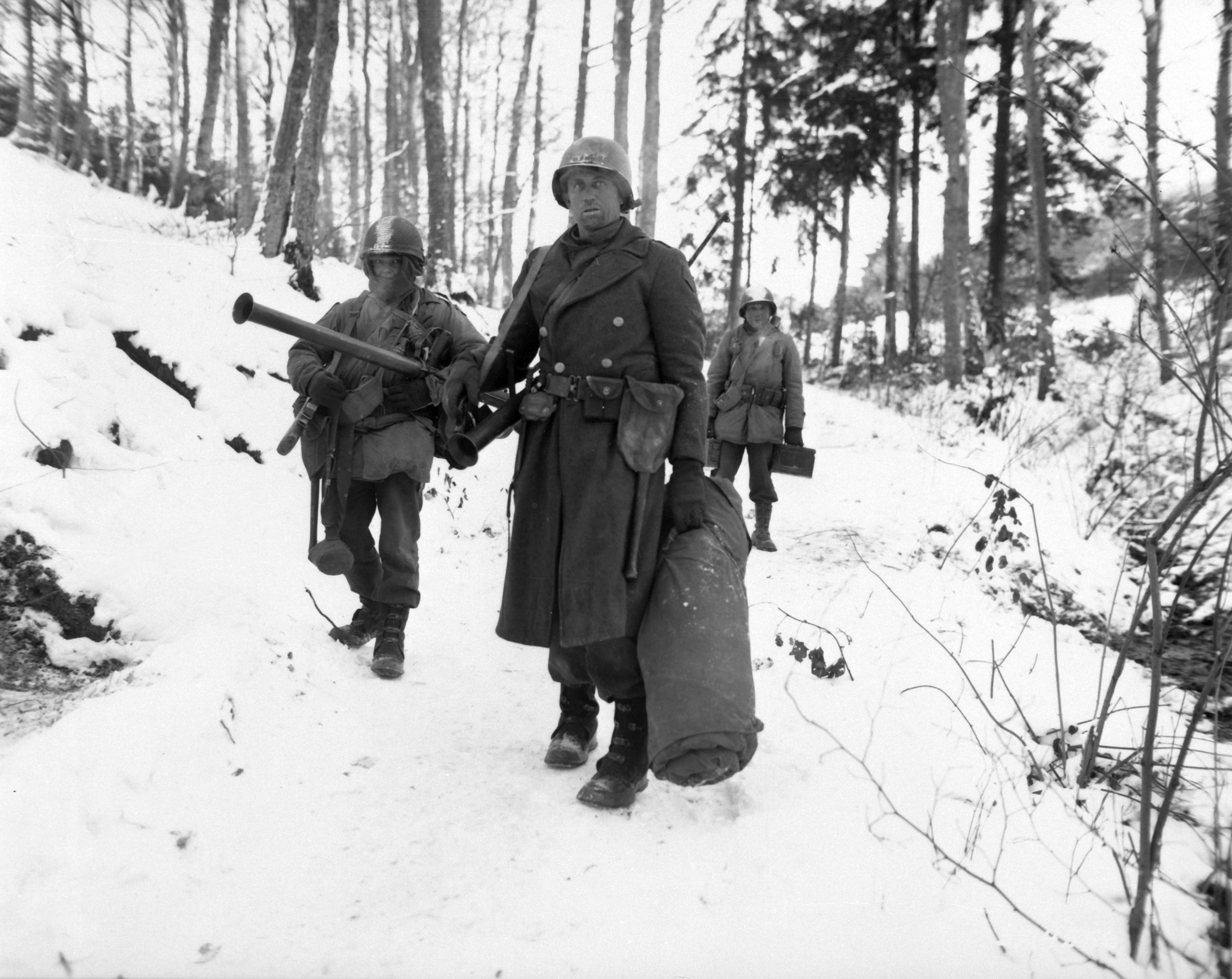
Soldiers fighting in Luxembourg during WWII Photo from U.S. Army
In the 1860s, France showed interest in buying the small duchy. While it seemed at first that the other European powers were going to allow this, the German State of Prussia used this as an excuse to start a fight with France. While the Treaty of London stopped the “Luxembourg Crisis” and assured that a war would not be fought over the territory, the damage was done and Franco-Prussian relations weakened further. After a few more relational debacles, France declared war. Prussia united all of the other 37 German states and defeated the French, leading to the German people uniting under one banner as one empire for the first time as an independent country.
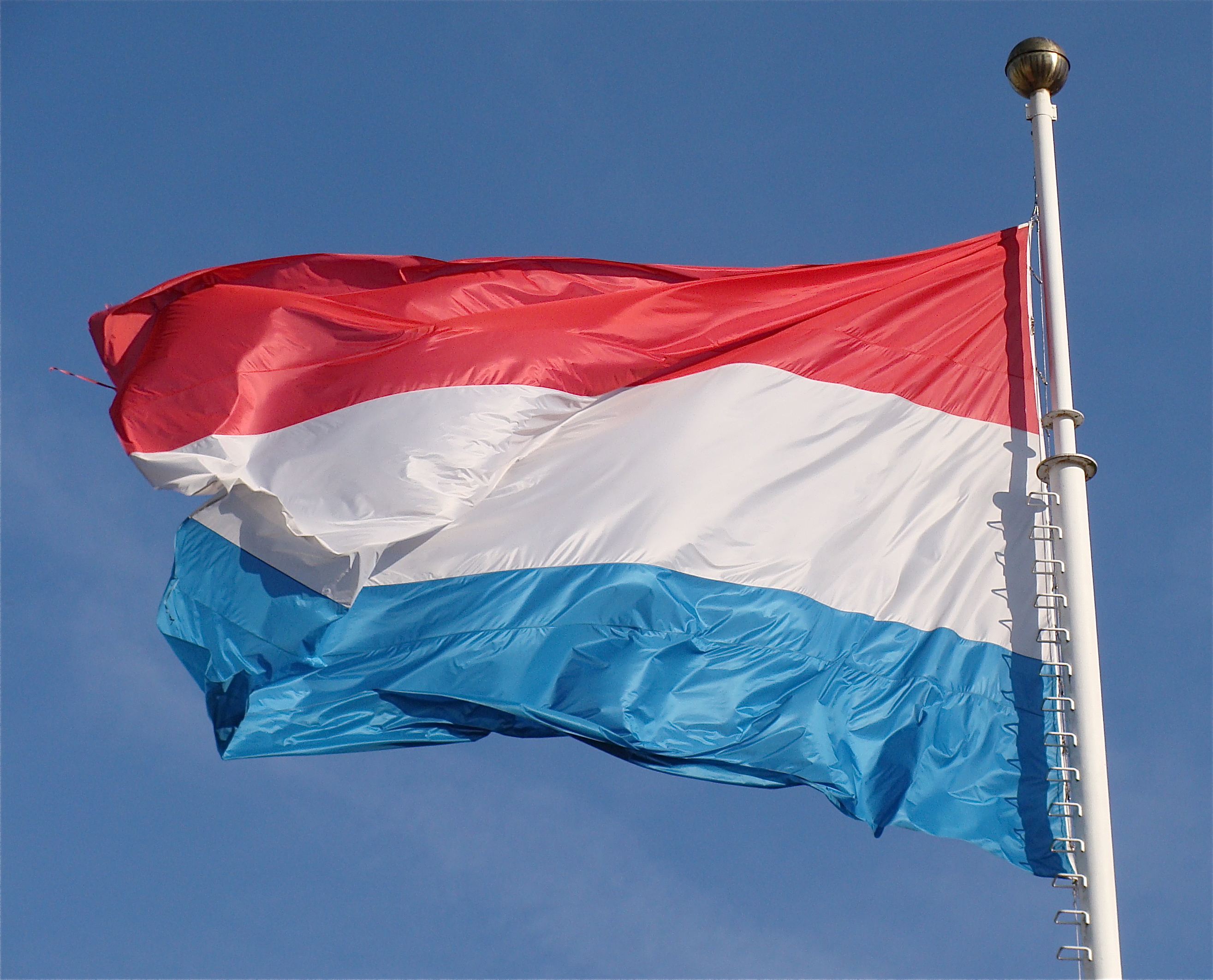
Photo by World Atlas
Luxembourg was also the site of the infamous Battle of the Bulge (along with Belgium) during the Second World War. This battle was one last major counter offensive by the Germans, as they attempted to stop the ally push towards Berlin. Some of the most famous names of the war fought in this battle, including General George Patton who would demand that he be buried in Luxembourg after the war was over. (More on the Battle https://www.army.mil/botb/)
Photo from wikipedia
The first mention of Luxembourg as a territory was made by Julius Caesar himself in his writings on the Gallic Wars. While our historical understanding of Luxembourg may start with Rome, its language does not. Luxembourgish, a unique language to the small country, is Germanic in origin. However, the language has been influenced by French overtime, and nowadays French is spoken more in the country than any other language, in addition to German. Luxembourgish is still known widely across the country though, being a common language in the households of the over 600,000 people and remains the official language of the country. (http://learnluxembourgish.com/blog/2014/1/13/luxembourgish-dialect-or-language)
As a final bonus fact, Luxembourg is one of the smallest countries in the world with an operating space program. There may be no space left on earth for Luxembourg to expand its tiny borders, but maybe Mars could lead to the rise of a Galactic Luxembourgish Empire! (Here’s their official site https://space-agency.public.lu/en.html)
What did you think? Ready to pack your bags to go visit the multiple historic sites that Luxembourg has to offer? Should I continue to write on the history of small countries? Let me know! 🙂 Have a good day! Or as they say in Luxembourg, Scheinen Daag!
Wait, what? I’ve heard the classic phrase “don’t believe everything you read on the internet,” but school is a place where learning the facts is encouraged and legitimate, right?
Today I am going to talk about one of the most important reasons to study history, and that is the realization of the fact that history can be weaponized. How history can be used to shape opinion, influence the world, and change the future. Or more accurately, how the teaching of history can do this. Let me explain
I want to preface this by saying that this is a fairly controversial topic, especially in my home state of Tennessee, one of the former members of the Confederate States of America. However, I’d ask that you try to read this article with an open mind as I try to dive into the facts from an unbiased (as possible) perspective.
Now that that’s out of the way, lets talk about the civil war.
From goodfreephotos
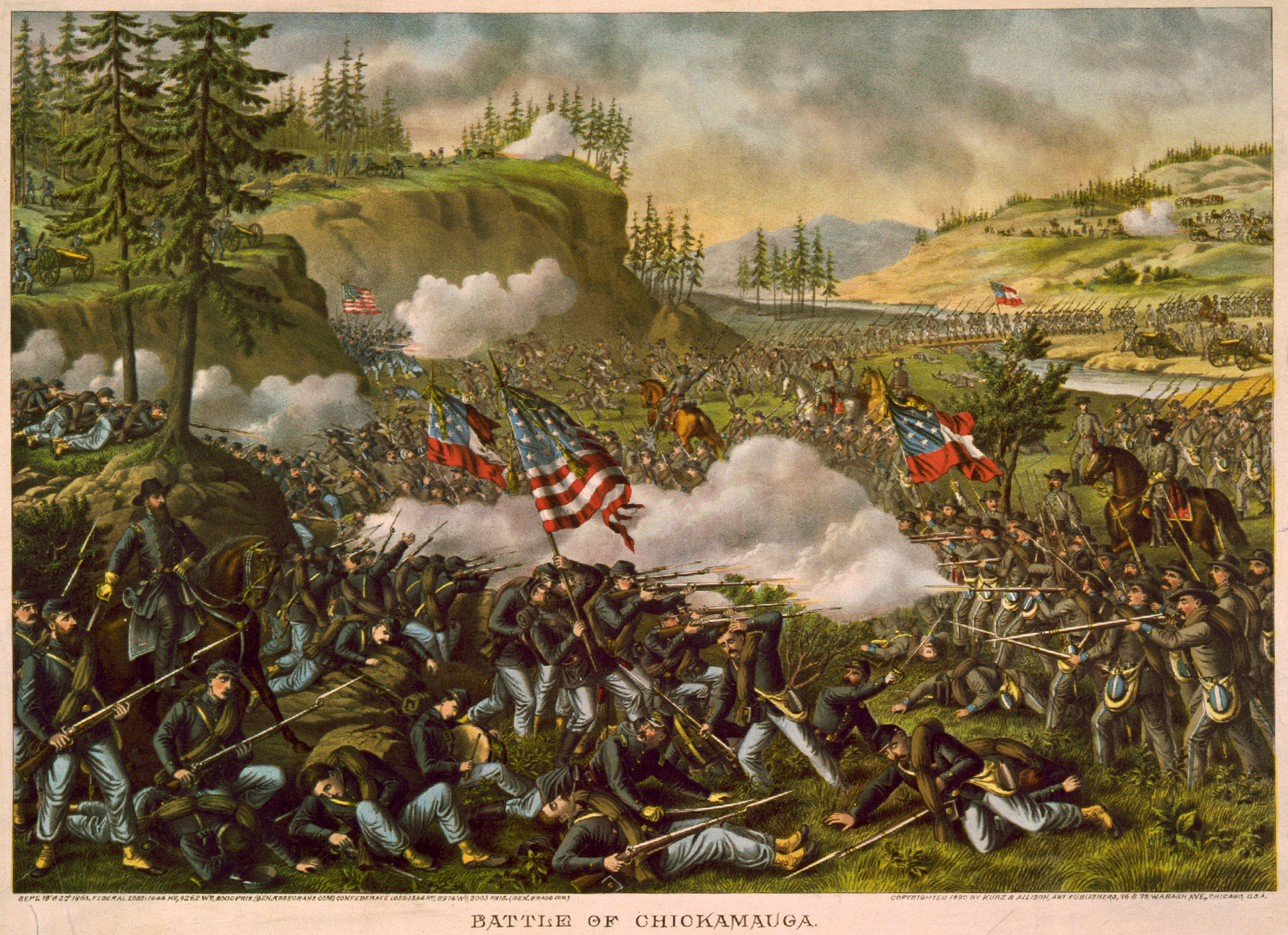
The Civil War was the deadliest war in American history and pitted the northern “free states” against the southern “slave states.” I think we can all agree on this statement. Strangely though, this is about as far as we get in regards to agreement. But how? If we’re all taught the history of this great split from 1861-1865, we should all be on the same page, but this truly isn’t the case and here’s why.
Shortly after the war, it became pretty clear that the southern states were going to be painted as the villains of the story, with their rampant racism and their violence that provoked the war. But southern historians weren’t particularly fond of this interpretation. They wanted their cause to be remembered as a glorious one.
Organizations such as the Daughters of the Confederacy sprung into action to literally rewrite history. They published textbooks such that portrayed the Confederacy as “The Lost Cause” of the fight for states rights and protection of southern culture. They banned books that shared a “northern agenda” stamped them as inaccurate in public libraries. They specifically targeted young children, teaching them these inaccuracies at their most vulnerable and impressionable stage.
The erected monuments to the great leaders of the confederacy all over the country, spreading their agenda of southern heroism in contrast to the southern oppression that true history shows. These monuments were placed in places of extreme importance, including a bust of General Nathan Bedford Forrest, a former Confederate leader and Grand Wizard of the Ku Klux Klan, inside the Tennessee state capital building. Southern textbooks even portrayed slavery as a humane institution, describing slaves as “happy”, “frolicking”, and “friends of the whites.” (https://www.youtube.com/watch?v=dOkFXPblLpU here’s a great video by vox on the subject)
From the Tennessean
This teaching had some incredibly destructive effects on important struggles that faced our country, specifically during the Civil Rights Movement when many of the most outspoken segregationists were former members of the Children of the Confederacy. Even as I was growing up, I was taught as a Tennesseean that the Civil War was a war fought on states rights and not the institution of slavery, despite the fact that the Tennessee Governor at the time adressed congress by saying that “To evade the issue thus forced upon us at this time, without the fullest security for our rights, is, in my opinion, fatal to the institution of slavery forever. The time has arrived when the people of the South must prepare either to abandon or to fortify and maintain it. Abandon it, we cannot.” (https://americancivilwar.com/documents/isham_harris.html)
This is an issue all over the world. From China omitting the Tienanmen square massacre in order to restore their people’s trust in the government, to North Korea’s complete rewriting of the Korean War, history has been altered and framed to shape and control the minds of people all over the world. It is so important to analyze the facts, read the primary sources, and take a step away from previous biases to make sure that we can defy what the powers of this world would rather us believe.
Photo by Jeff Widener
Thank you so much for taking the time to read this article! Where do you stand on the States Rights vs Slavery Debate, and did this article change your mind on the topic? Let me know in the comments 🙂 Also, if you want to look at the succession clauses for your state, here’s a great link with a few of them. https://www.battlefields.org/learn/primary-sources/declaration-causes-seceding-states#Mississippi
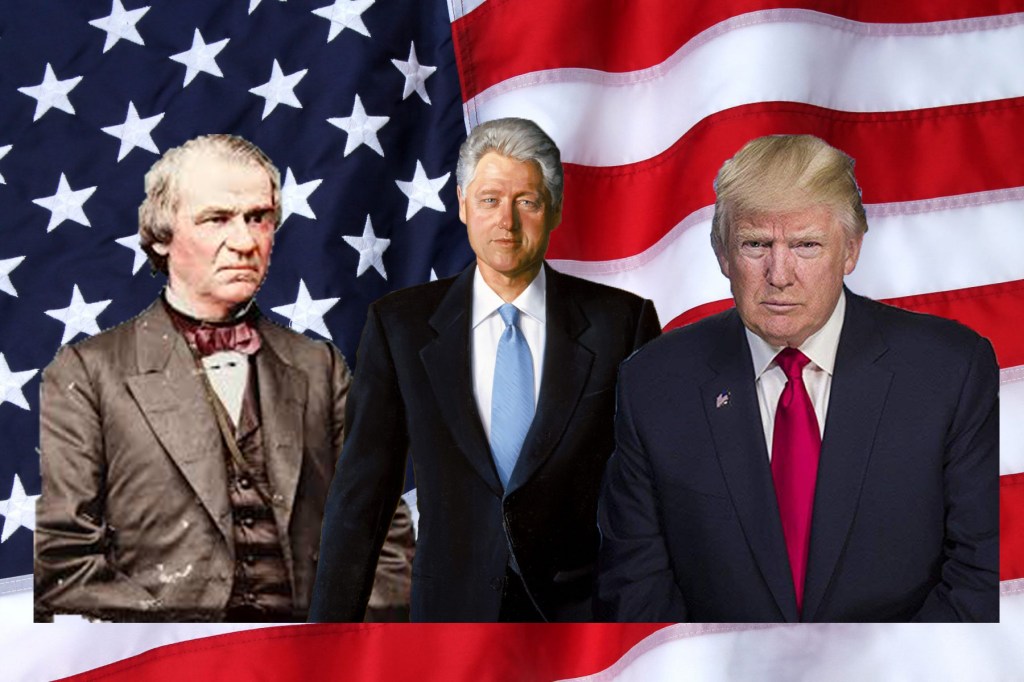
(President Andrew Johnson Colorization by Reddit user u/Color969 President William Clinton Portrait from whitehousehistory.org President Donald Trump Portrait from whitehousegiftshop.com presidents Photoshop collage by Caleb Williams)
With the recent impeachment and dismissal of charges of President Donald Trump, it is the perfect time to look at the history of the all of the Presidents of the United States that have been impeached.
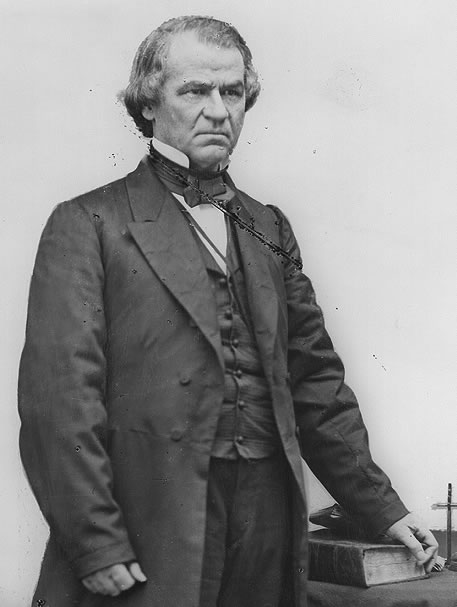
The first president to ever be impeached was the 17th President of the United States, Andrew Johnson. During the reconstruction period in the post-Civil War south, there was intense debate between Congress and the President about who would establish policy while the nation was healing and rebuilding. President Johnson had inherited the cabinet that was assembled by President Abraham Lincoln, including Secretary of War Edwin Stanton. Stanton was a radical Republican who was loyal to congress. In order to ensure that figures like Stanton, that would give congress a leg up in the executive branch would not be fired by the president, they passed the Tenure of Office act of 1867, that said that Johnson could not dismiss a government official without the consent of congress.
Johnson did this anyway, leading to his impeachment by the House of Representatives. At the time, there were 27 states, with a total of 54 senators. After the trial commenced, the vote came out with 35 senators voting guilty, and 19 voting not guilty. In order to remove a president from office, you need to have a 2/3’s majority in order to remove them. If just one more senator had voted against Johnson, he would have been removed from office. (more info here https://www.history.com/this-day-in-history/president-andrew-johnson-impeached)
A common misconception is that President Richard Nixon was impeached for his involvement in the Watergate scandal. However, he resigned before congress had the opportunity to impeach him, although he certainly would have been.
President William Clinton was the second U.S. President to be impeached. He was charged with lying under oath and obstructing congress. The lies were related to the nature of his relationship with a White House intern, Monica Lewinsky, which was forever immortalized in his famous words, “I did not have sexual relations with that woman.” The obstruction charges were the subsequent cover up of that situation. 258 of the 435 representatives voted for impeachment, including 31 Democrats that sided against the president. However, just like in President Johnson’s trial, the vote did not get through the Senate and President Clinton finished out his term.
The third and most recent impeachment was the impeachment of 45th President, Donald Trump. Contrary to popular belief, this impeachment was a separate issue from the suspect Russia collusion as described in the Muller Report. This impeachment focused on an obstruction of power that was used in relation to the Ukraine, and the subsequent obstruction of Congress that followed. President Trump allegedly threatened to withhold military aid and and a visit to the White House from the President of Ukraine unless he announced an investigation into Joseph Biden, former United States Vice President and political opponent of Donald Trump. The impeachment vote went through the House of Representatives, although it did not win over a single Republican vote. In fact, the Republicans won over 3 (or 4 depending on if you count Tulsi Gabbard) Democrat votes. When the vote hit the Republican majority Senate, it didn’t even hit a 50/50 majority, let alone a 2/3’s majority. Only one Republican, Mitt Romney, voted against President Trump in the Senate. (more info here https://www.washingtonpost.com/politics/2019/12/18/house-is-voting-impeach-trump-what-happens-next/?arc404=true)
So what do you think? Were these impeachments justified? Should any of these presidents been kicked out of office? Comment below and let me know what you think 🙂
As citizens in the 2020s, we have the convenience of living in a time widely known to historians as “the Long Peace.” Things such as territory changes and oddities on the world map seem to be a thing of the past. However, while territory changes the likes of the 1910s, 40s, and 60s are not seen often in this day and age, there are still movements for new countries to be created that have yet to be recognized all around the world. Today, I will be covering five countries that are either not fully recognized, or not recognized at all by the United Nations.
Palestine: The most well-known example is the nation of Palestine. In 1948 the Jewish state, Israel, declared independence in the area previously referred to as Palestine. Issues arose immediately both internally and from neighboring powers concerning the validity of a new state in this traditionally Islamic land. Many of the Arabs living in this part of the world have been pushing for independence for a new state of Palestine and plans to create a border agreement between Israel and the growing movement are being tossed around all the time. As it stands right now, Palestine is recognized as a Non-Member with Observer status, meaning that they can send representatives to the United Nations, however they are not able to vote.
Taiwan: This one comes as a surprise to many people. Yes, Taiwan is not an officially recognized nation. In fact, only 16 member states of the UN (of 193) have declared it to be its own state. So why is this? During the Chinese Civil War, Mao Zedong’s Communist Party of China ran the standing government off of the mainland and to the nearby island of Taiwan in 1949. It has operated there ever since. Due to the United States’ increasing pressure on communism in the latter half of the 20th century, Communist China never invaded Taiwan, however, it does claim to be the rightful ruler to the island, as does the Taiwanese government in reference to the mainland.
Kosovo: The history of the Balkan peninsula is riddled with instability and separation, including but not limited to the events that started the First World War. The newest development in the fragmented history of this region is Kosovo, who declared its independence from Serbia in 2008. Kosovo is the closest of the non-member states to receiving recognition, with 109 countries backing it up (Complete list of recognized nations here: https://www.un.org/en/member-states/). However, without receiving validation from Russia, one of the five permanent security council members (along with the United States, China, France, and The United Kingdom), full recognition will be hard to acquire. As it stands now, they operate as an independent province of Serbia.
The Vatican: The Vatican is the only nation on this list who is a non-member state by choice. While they operate as a fully independent country from the rest of Italy, with its own postal service, government, legal system, and even military known as the Swiss Guard, they only wish to be an observer state in the United Nations because the Pope has seen it as his duty to influence religious affairs and not directly affect international policy and legislation. http://www.vatican.va/content/vatican/en.html
Sealand: In 1967, Roy Bates sailed his boat to an abandoned gunner platform 13km off the coast of the United Kingdom. He declared the platform to be the independent Principality of Sealand and announced himself as its ruler. The British Navy came out to retrieve him and was met with gunfire. He was brought to court for firearm-related charges but was acquitted due to the fact that British Territory technically ended 3km off the coast, strengthening Bates’ argument that the soldiers were in his sovereign waters. No current UN member states recognize the Principality of Sealand, however, you are able to receive an official royal title from the country if you visit their website. https://www.sealandgov.org/about/
These are just a few of the many unrecognized countries of the world. What others do you think we should write about in the future? Please leave your suggestions!










 History Today